Grow the Impact.
Keep the Character.
We want One World Relief to reach more people, develop stronger programmes and become capable of doing much more.
But becoming bigger is not the vision.
The vision is to increase what we can achieve without losing the closeness, honesty, careful spending and human relationships that made the organisation worth building in the first place.
Relief Today. Stability Tomorrow.
Emergency help matters. Food, medicine, clean water and shelter can be urgent and life-changing.
But whenever circumstances allow, we also ask a second question:
What happens after today's emergency has passed?
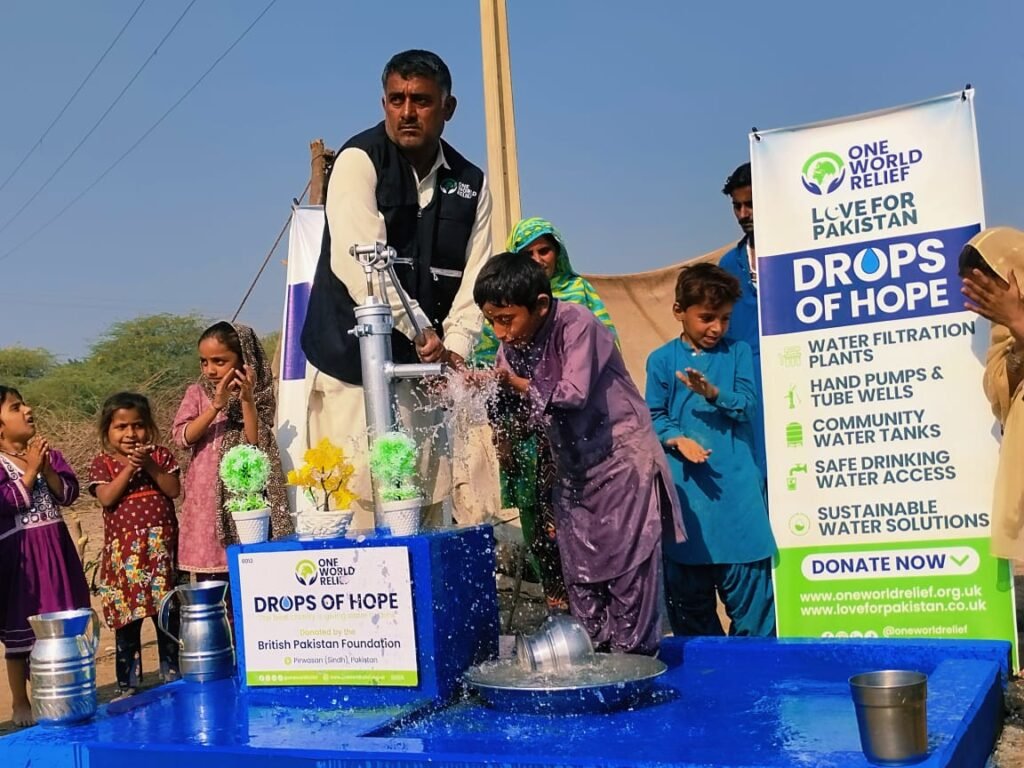
Meet Today's Need
Respond properly when people need food, water, medicine, shelter or immediate practical support.
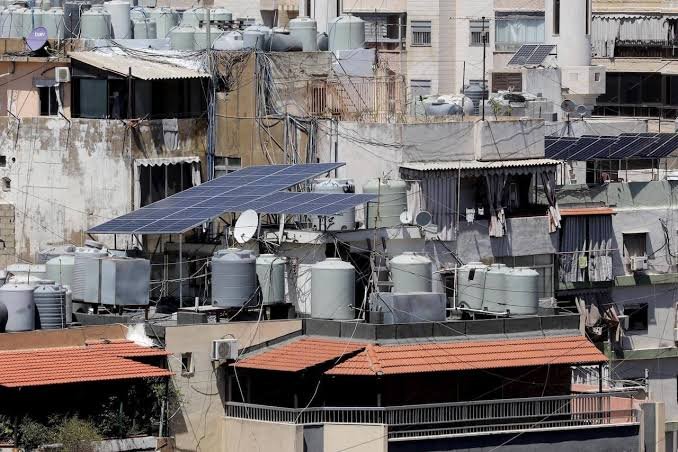
Reduce Tomorrow's Dependence
Build towards education, livelihoods, sustainable water, lower household costs, community infrastructure and financial resilience.
The aim is not simply to keep providing help forever. Where possible, it is to help create circumstances in which people need less help tomorrow.
Stay Close as We Grow
Growth should make us more capable — not more distant.
More supporters should not mean supporters become numbers. More beneficiaries should not mean people become statistics. More countries should not mean weaker local knowledge.
We want technology, systems and growth to shorten the distance between people and the work, not create bureaucracy for its own sake.
More capability.
Less distance.
Growth should increase our ability to help — not increase the distance between us and the work.
Principles for the Journey
These are not decorative values for a wall. They are the working habits we want to keep as the organisation develops.
Be There
Understand situations first-hand wherever practical.
Listen First
Don’t arrive assuming we already know the answer.
Keep It Personal
Remember the person behind the number.
Spend Carefully
Compare prices. Negotiate hard — then negotiate again.
Protect Dignity
Needing help should never mean surrendering dignity.
Follow Through
Return, review, learn and improve after delivery.
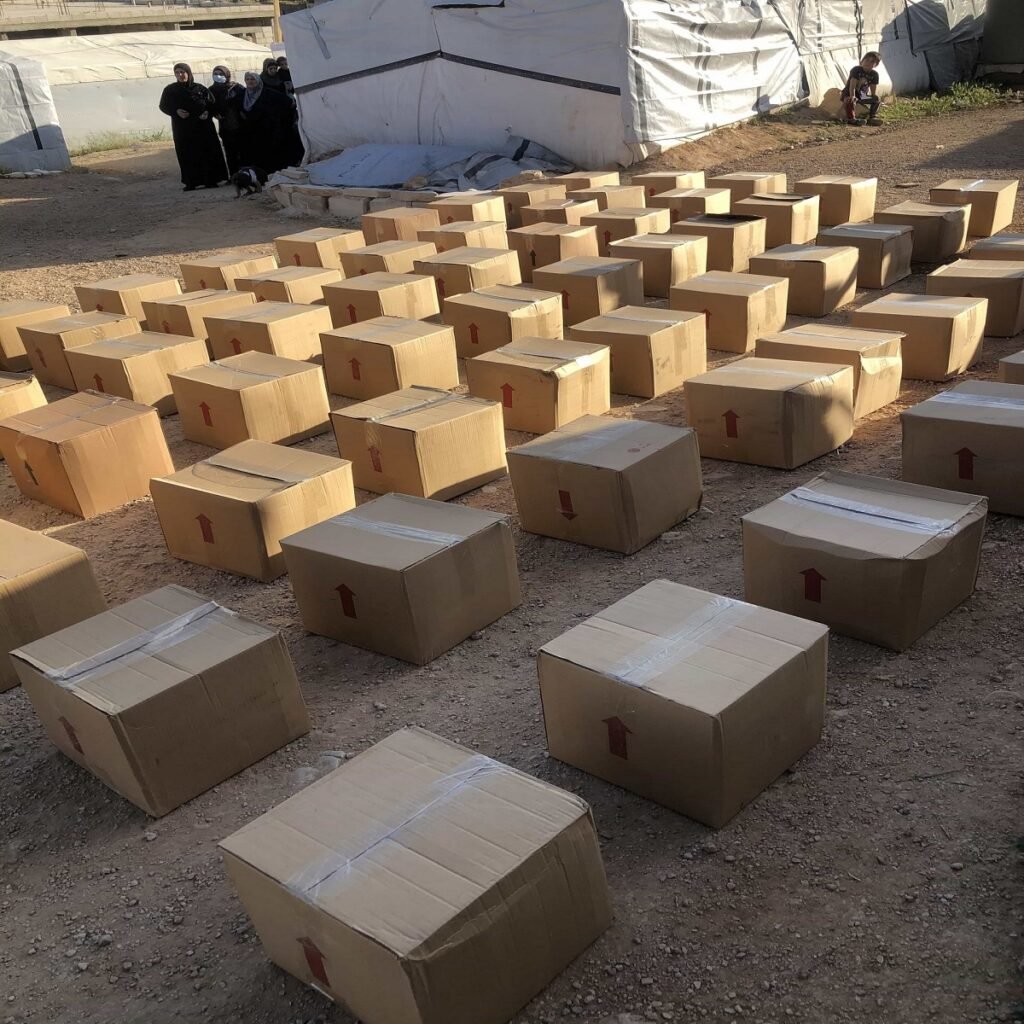
Spend Money Like It Matters
Keeping costs low is not enough. We want to question every cost.
Do we need it? Can we negotiate it? Can a supplier contribute something? Is there a better local solution? Would a volunteer or supporter with the right skill help instead?
Trusted suppliers sometimes contribute goods or support because of relationships built over time. We should never become too comfortable to ask for a better price or a better solution.
Would we spend our own money this way?
If the answer is no, we should think carefully before spending somebody else’s.
Promotion With Purpose
Fundraising and awareness sometimes require investment. But we do not want large influencer payments, expensive advertising campaigns, costly promotional appearances or television exposure to become an automatic price of raising money.
There may be circumstances where paid promotion makes sense. Our starting question should always be:
Does this genuinely serve the cause — and would our supporters consider the cost reasonable?
We particularly welcome people with audiences and influence who choose to contribute some of that influence voluntarily, just as others volunteer professional skills, vehicles, time or experience.
Collaboration Over Competition
There are enough people who need help. Charities do not need to behave as though helping somebody is market share.
If another organisation can do something better, work with them. If OWR can help them deliver something, help. If resources can be combined to achieve more, consider combining them.
The beneficiary shouldn't lose because organisations are protecting their logos.
An Organisation People Can Challenge
As One World Relief grows, we do not want questioning to become more difficult because somebody has a title.
Leadership Should Stay Accessible
Trustees and managers should be open to questions and scrutiny.
Volunteers Should Be Heard
People contributing time, experience and responsibility should be able to disagree constructively.
Feedback Should Matter
Beneficiary and community feedback should influence how projects are designed and improved.
Being challenged is not a threat to an organisation that genuinely wants to improve.
We would rather acknowledge a mistake, examine it honestly and correct it than defend something simply because it was our decision.
Success Isn't Just a Bigger Number
We should measure money raised, projects completed, families supported, water systems installed and food distributed. Those numbers matter.
But they are not the whole story.
Did somebody become more independent?
Did a family reduce its monthly costs?
Did a student remain in education?
Did somebody gain the means to earn?
Did a volunteer grow into someone capable of leading?
Did supporters trust us enough to remain part of the journey?
Not everything worth measuring fits neatly into a total at the bottom of a spreadsheet.
Help Shape What Comes Next
One World Relief’s future should not be designed by a handful of people and handed to everybody else.
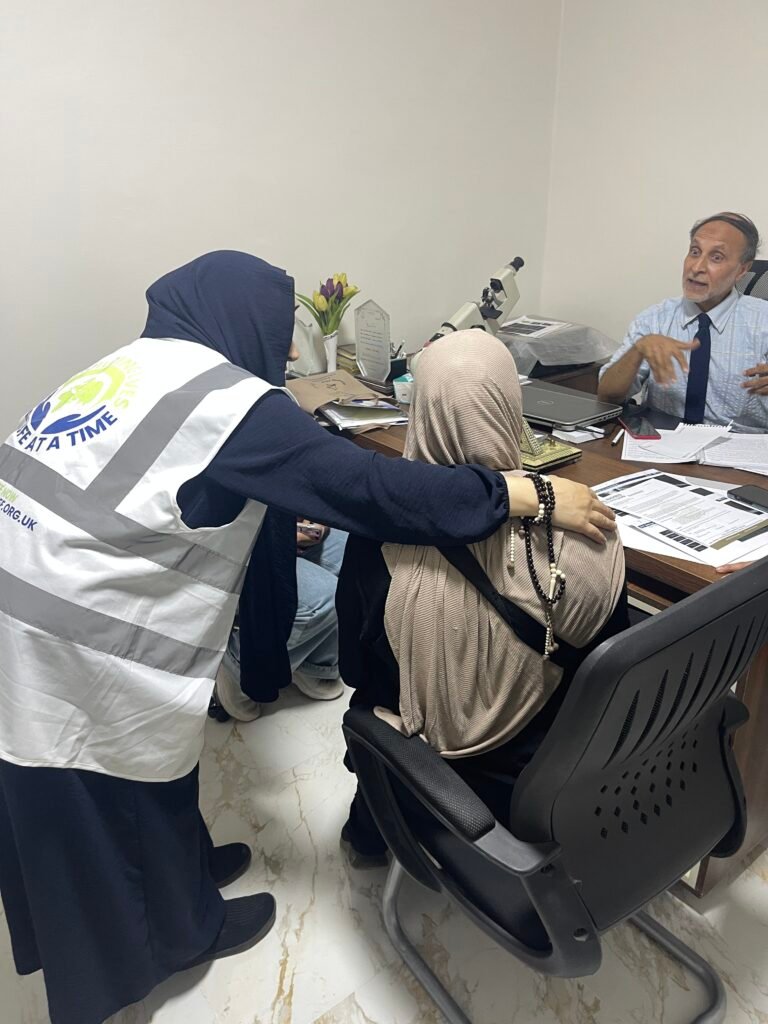
We want people who contribute their time, ideas, experience and trust to help shape what this organisation becomes.
Not every idea will work. Not every suggestion will be adopted. There will be disagreement.
That's healthy.
What matters is building an organisation where people care enough to contribute, question, challenge and take responsibility.