LEBANON CRISIS

Standing With Families
Through Crisis and Recovery

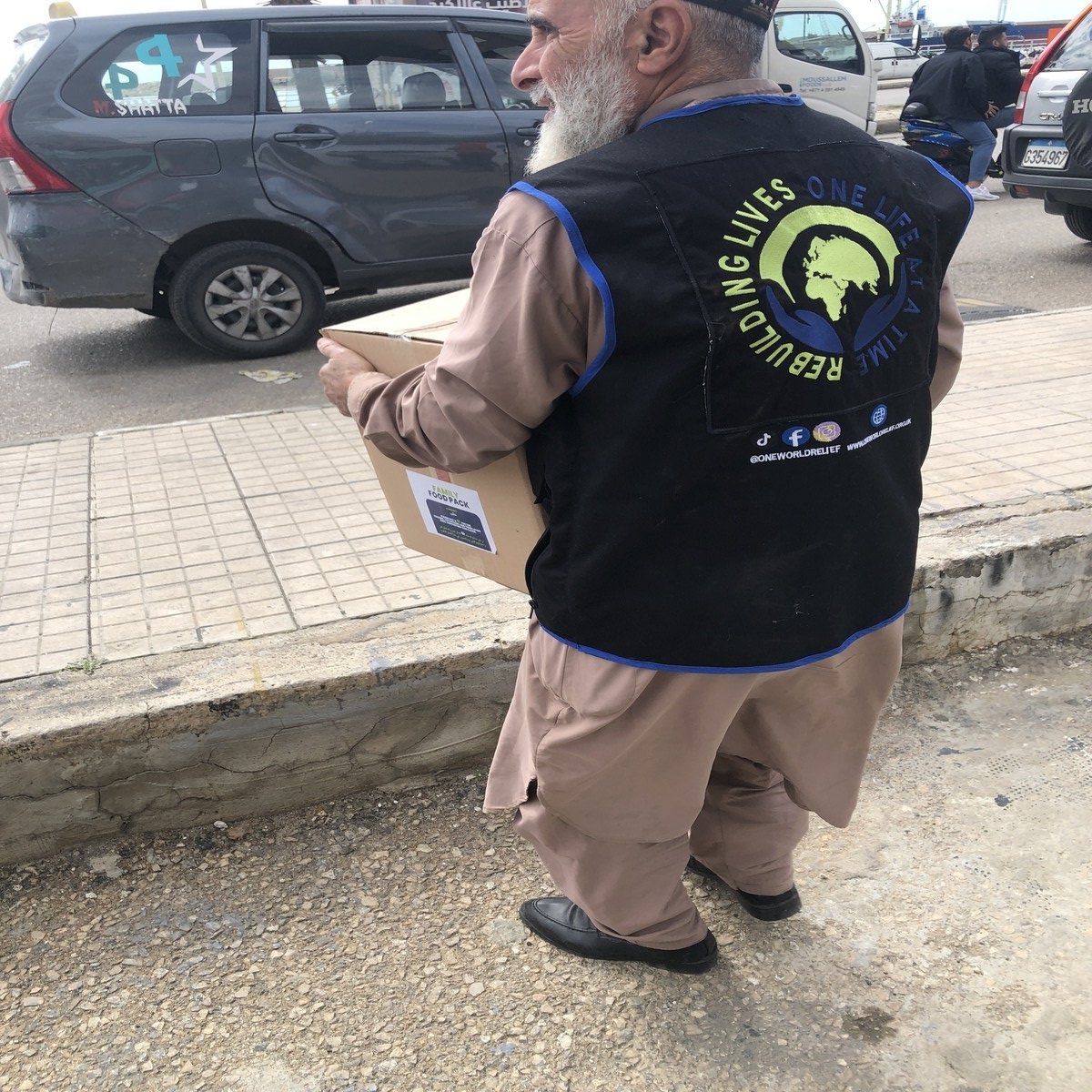
From emergency food and shelter to healthcare, home support and community infrastructure, we work alongside families facing the effects of economic crisis, displacement and conflict.

100% project donations

Volunteer-led

Directly Delivered

A Crisis With Many Layers

Lebanon’s hardship has built up over years. Economic decline, inflation, reduced incomes and weakened services have left many households with little room to absorb another shock.

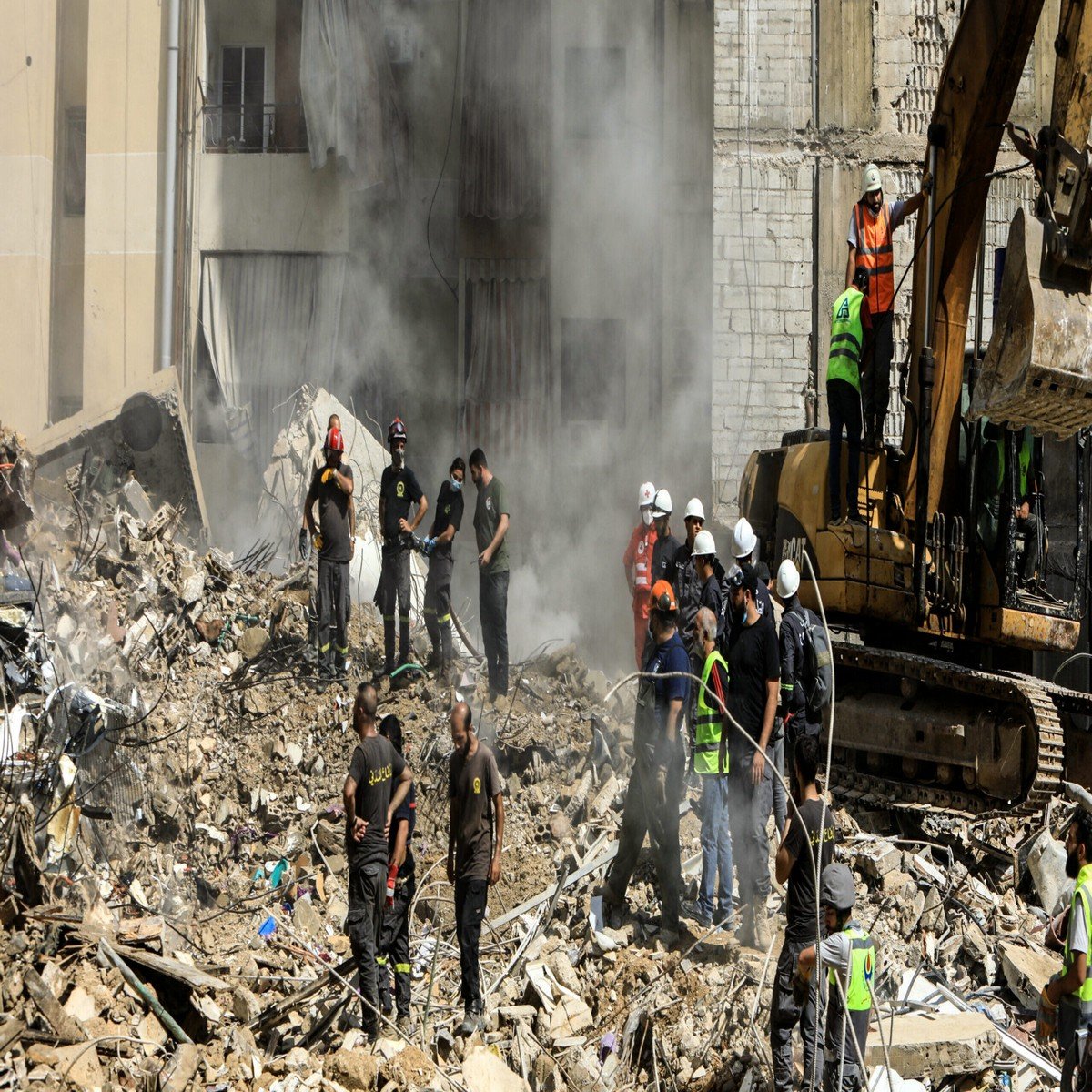
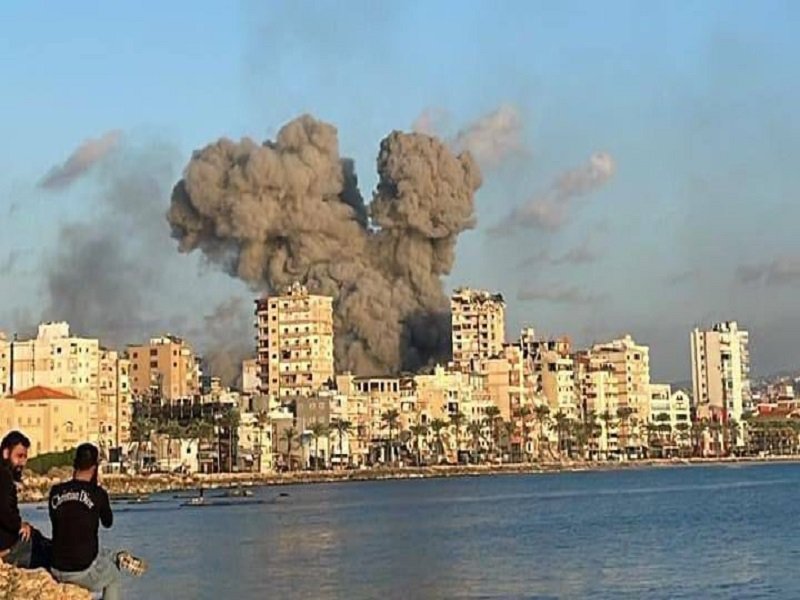
Repeated conflict and bombardment have then brought new displacement, damaged homes and added pressure to communities already supporting vulnerable Lebanese families, Palestinian refugees and Syrians displaced by war.

What Families Are Facing

The crisis is not one-dimensional. Different households face different combinations of economic pressure, displacement, refugee hardship and damaged essential services.

Economic Pressure

Food inflation, reduced employment and lower purchasing power make everyday essentials harder to afford.

Conflict & Displacement

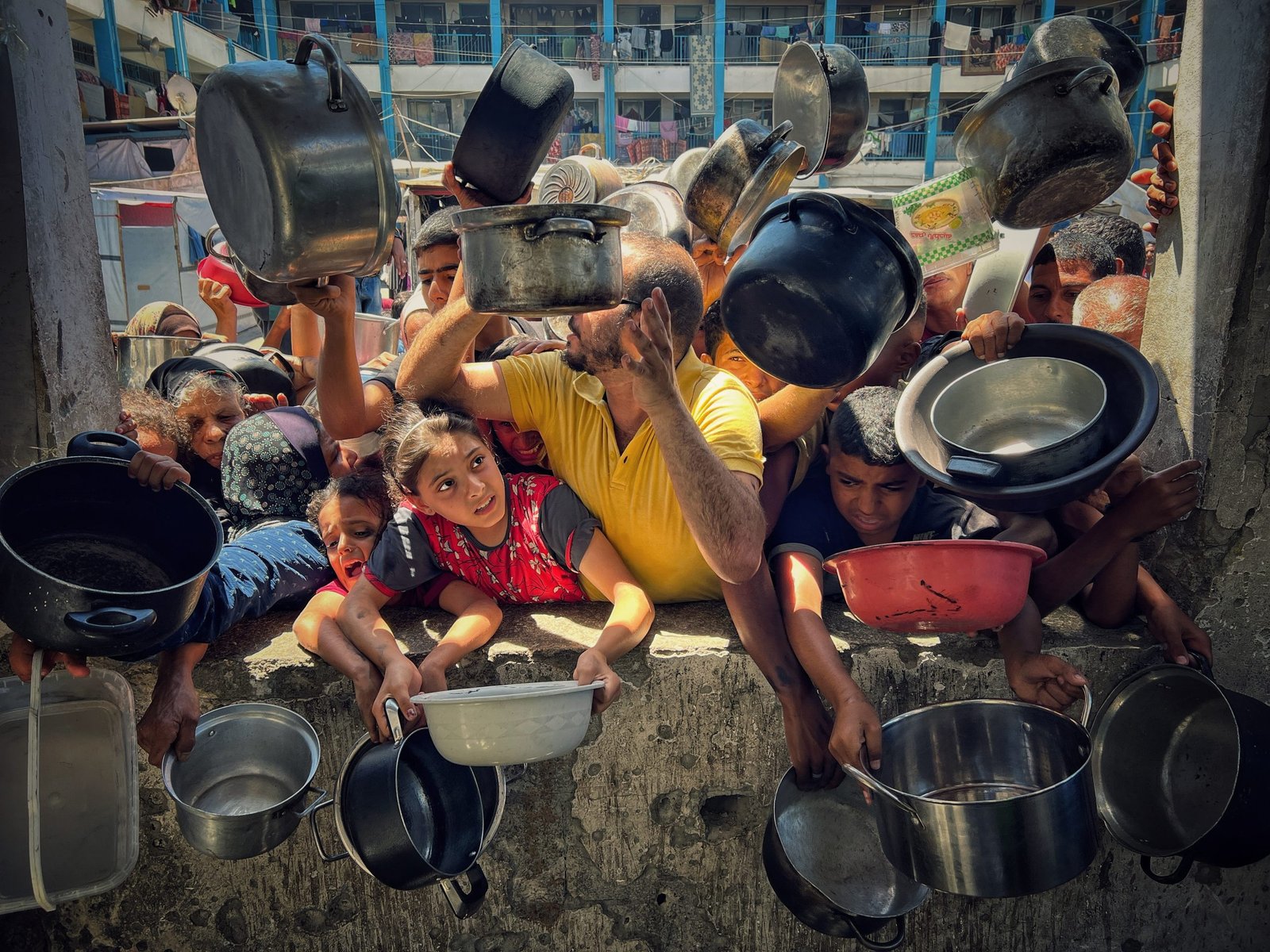
Families may be forced from homes suddenly, sometimes more than once, when violence escalates.

Refugee Communities

Long-established Palestinian and displaced Syrian communities can face additional housing, work and service pressures.

Homes & Essential Services

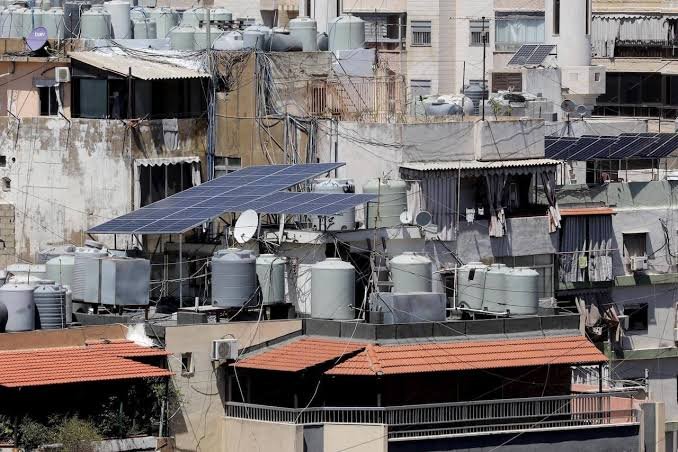
Damaged homes, unreliable electricity and rising costs can make recovery much harder.

Displacement Didn't Begin With the Latest War

Lebanon has hosted displaced communities for generations. Palestinian families arrived following the 1948 displacement from Palestine, with later waves of displacement following further wars and expulsions across the region.

Decades later, the war in Syria brought another major displaced population into Lebanon. Some families have now lived through multiple cycles of displacement, while Lebanese households themselves continue to face economic and conflict-related hardship.

Need Doesn't Have One Address

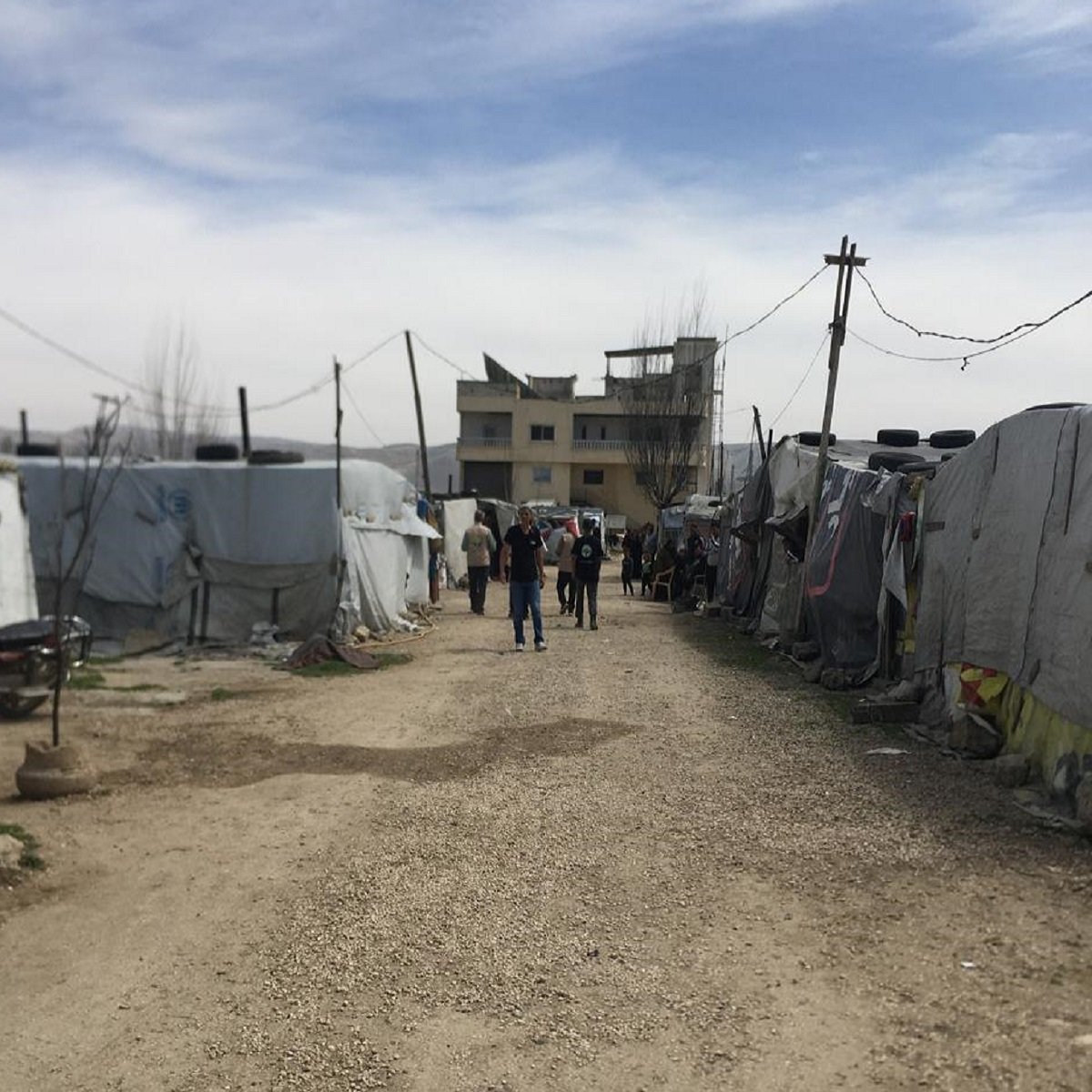
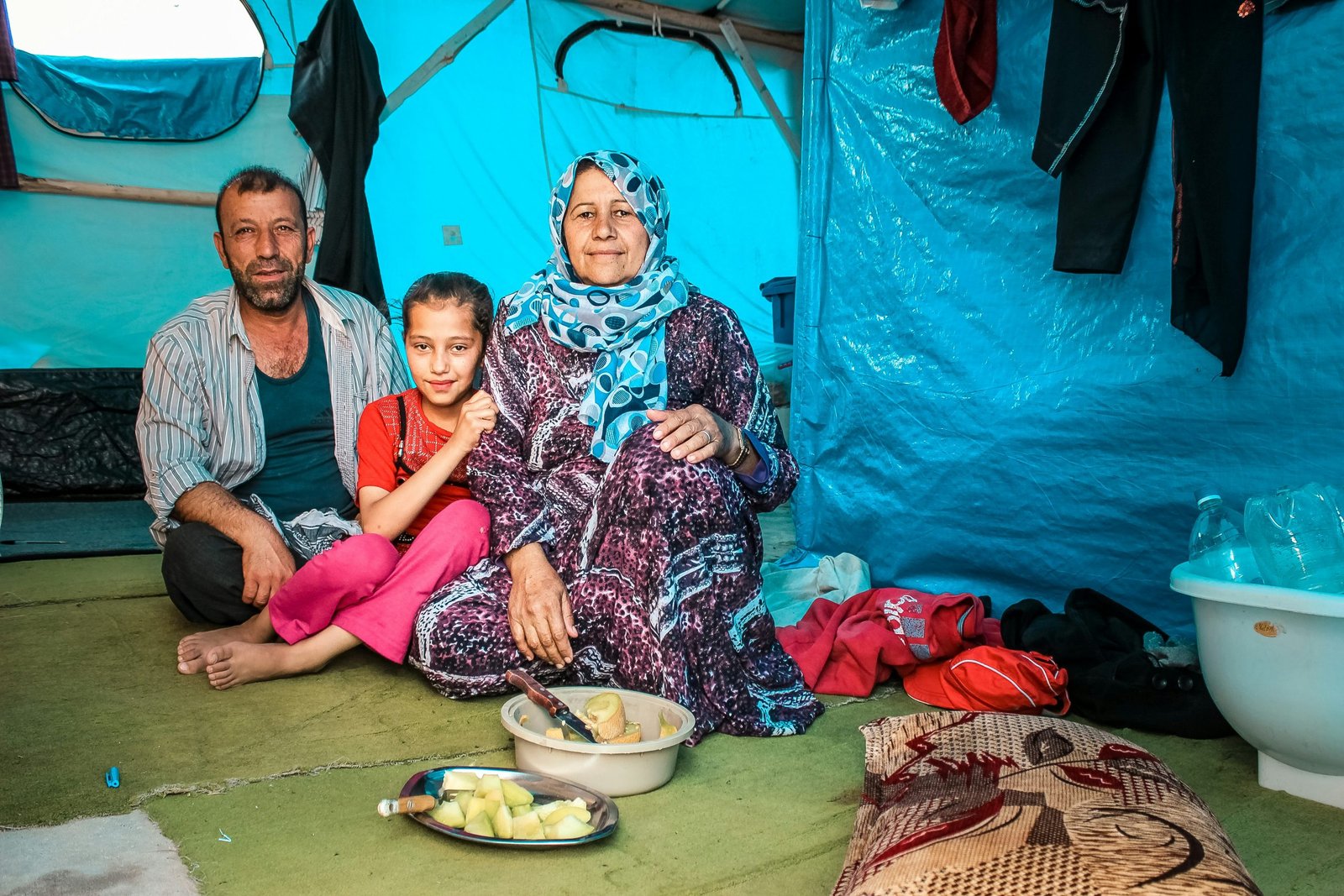
We may support a Lebanese family struggling after years of economic decline, a Palestinian household in a long-established camp, a Syrian family in a tented settlement, or people suddenly displaced into schools and temporary accommodation. Others may live in an ordinary apartment but still struggle to afford food, medicine, rent, electricity and other essentials.

Support is based on need — not nationality, background or the type of home someone lives in.

What Your Support Can Provide

Explore the six core areas through which OWR provides practical support, recovery and longer-term resilience.

Our Work in Lebanon

Our response combines different OWR programmes. These examples show the range of work delivered or supported in Lebanon over time.

🇱🇧 Across Lebanon

OWR has supported families and communities across Lebanon. Activity changes according to need, access, funding and the project at the time.

Beirut & Mount Lebanon

Beirut · Shatila · surrounding communities

Saida / Sidon

Saida · Ain El Hilweh · Wadi El Zeine

Tyre / Soor & South Lebanon

Tyre · Burj Al Shamali · Rashidieh · El Buss

Tripoli & North Lebanon

Tripoli · Beddawi · Nahr El Bared

Baalbek & Beqaa

Baalbek · Wavel · towns and refugee communities

Arsal & North-East Beqaa

Arsal · Syrian refugee communities · informal tented settlements

Local Presence Matters

Our work is shaped by people who live within the communities we support, speak the language and build relationships over time. That gives us better information about changing needs, local prices, suppliers and practical delivery.

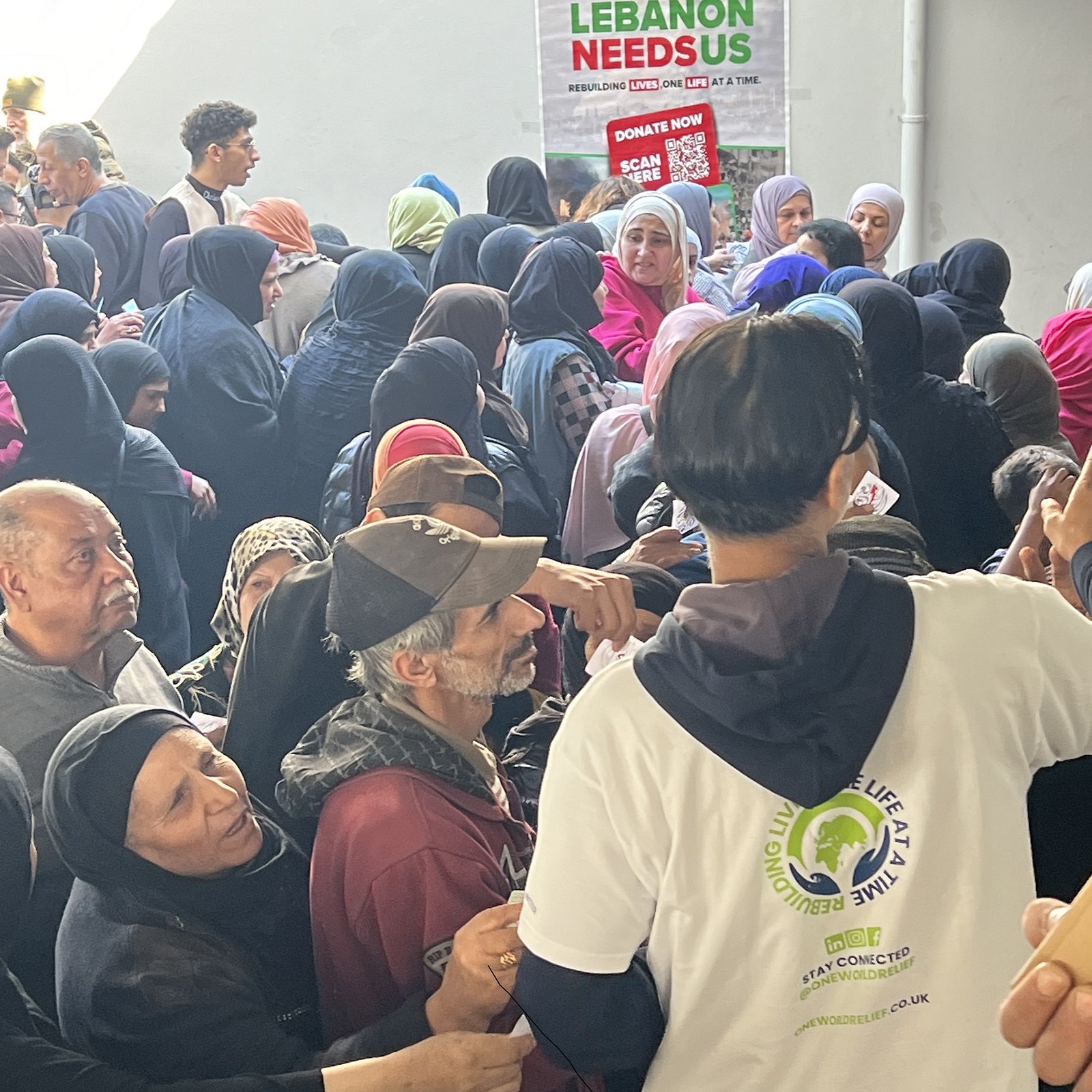
Students, neighbours, teachers and other community volunteers regularly contribute their time without salaries. In some distributions, supporters also contribute vehicles, fuel or other practical help, reducing unnecessary logistics costs and helping project donations go further.

Live Locally

continuous presence

Speak the Language

better communication

Know Suppliers

better value

Volunteer-Led

lower delivery costs

Other Appeals

Explore other country and emergency appeals where OWR is responding to conflict, displacement, poverty and recovery needs.

See the Work as It Happens

Follow current OWR projects, distributions and community work through real posts and reels from the field. We will curate Lebanon-specific reels here when our social-feed setup supports it.

Frequently Asked Questions

The appeal can support food and essentials, shelter and home support, healthcare, community infrastructure and education, alongside other practical assistance according to current need and available funding.
Support is based on need and project suitability. OWR has supported Lebanese households as well as Palestinian and Syrian refugee communities and people affected by displacement.
OWR has supported communities in and around Beirut, Saida, Tyre/Soor, Tripoli, Baalbek and the Beqaa, alongside a number of refugee communities. Activity changes according to need, access and available funding.
Local volunteers and community contacts help us understand household circumstances, changing prices and practical needs. We then choose the most suitable response within the available project budget.
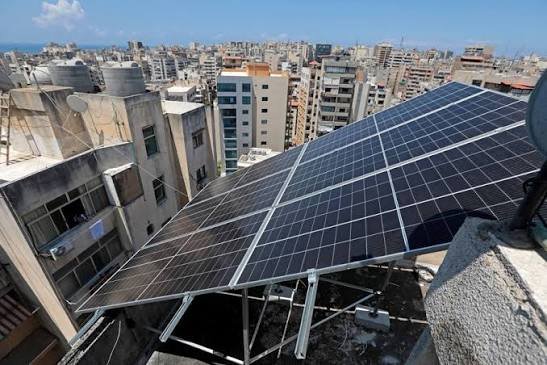
No. Immediate relief is important, but some work focuses on recovery and resilience, including home support, solar, community infrastructure, education and carefully assessed livelihood or cost-saving interventions.
OWR prioritises direct, locally embedded delivery wherever practical. We also work with trusted local organisations or community contacts where this improves access, suitability or delivery.
Some resilience initiatives are available on a limited and carefully assessed basis. Availability varies by project and funding, and assistance cannot be guaranteed.
OWR operates a 100% donation policy for project donations. Administration and running costs are funded separately, while volunteers contribute substantial unpaid time and practical support.

Stand With Families in Lebanon

Crisis can change a family’s circumstances overnight. Recovery can take much longer.

Your support helps us provide practical assistance today while helping families and communities rebuild stability for tomorrow.